
The problem with bare photographs
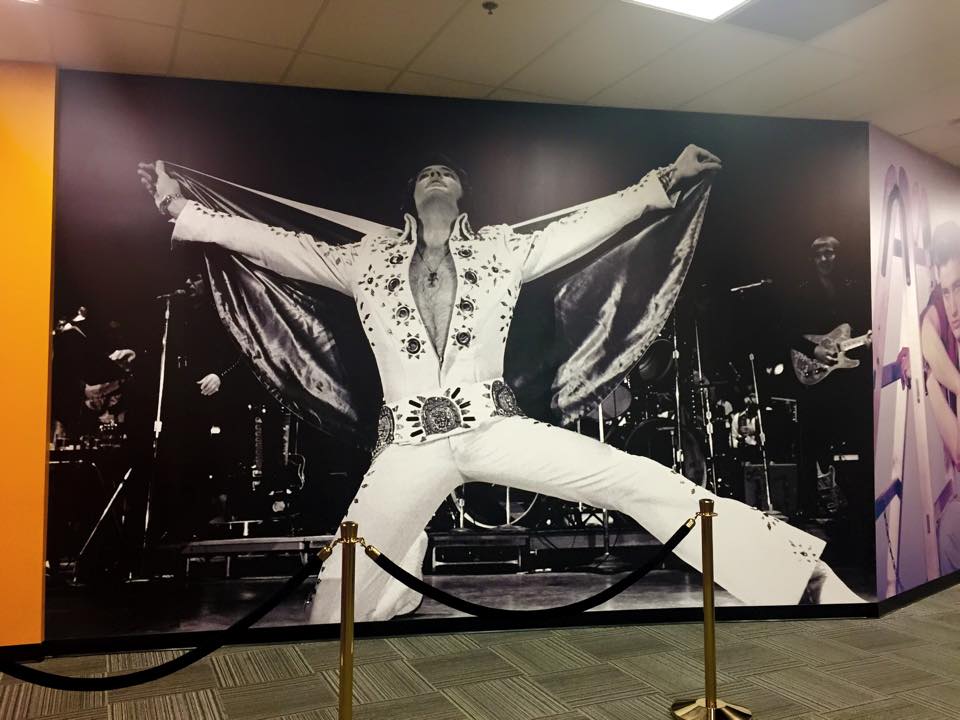
Photographic prints show damage more readily than almost any other printed image. Large areas of smooth tone and deep shadow make a fingerprint, scuff or water spot easy to see. Once a print leaves the studio unglazed, mounted on board or hung as a large wall piece, its surface is open to everything in the room.
A protective coating gives that surface a defence. Colourjet is a solvent coating designed to protect artwork from water, chemicals and abrasion, with integrated UV inhibitors to help prevent premature fading. It is part of the Landor Liquid Lamination approach, which adds a protective layer for durability and lightfastness.
Typical photographic jobs we see
- Large exhibition prints mounted without glass
- Portrait and wedding prints on canvas or board
- Landscape and wildlife prints sold at shows
- Photographic wall graphics in offices, cafés and receptions
Choosing a finish
Gloss tends to deepen blacks and make colours look punchier, while a semi-gloss or lower-sheen finish reduces reflections under strong lighting. For small runs or touch-ups, ClearJet aerosol coatings are available in gloss and semi-gloss and are easy to keep on a bench. Higher volume work is usually better suited to a roller or a liquid lamination machine. Compare the ClearJet aerosols with our liquid coatings to see which fits your output.
Before you coat
Photo papers differ a great deal. Resin-coated, baryta-style and fine art papers all behave differently under a solvent coating, and some will not be suitable. A few practical steps help avoid surprises:
- Make sure the print is fully dry before coating.
- Test on an offcut from the same paper, printed with the same inks.
- Check skin tones and neutral greys after coating, as these show any shift most clearly.
- Work in a clean, dust-free space so particles are not sealed into the surface.
Prints from pigment fine art, latex, UV and eco-solvent printers are all used with Landor Liquid Lamination, but paper choice matters as much as the printer.
A coating is not a substitute for good display
Coating helps a photograph cope with its surroundings, but it works best alongside sensible hanging: away from direct sun where possible, and out of the path of constant handling. Together, those choices extend display life noticeably.
Want a second opinion on a particular paper or finish? Ring 01252 624 411 and talk it through with us.