
Liquid lamination is a protective coating applied to a finished print as a liquid, which then dries to form a clear, continuous layer over the inks. Instead of bonding a separate sheet of plastic film to the surface, you are adding a thin coat that becomes part of the print itself. The result is a print that stands up better to handling, cleaning and its surroundings, while keeping the look and feel of the original media.
What it protects against
Unprotected inkjet prints are more vulnerable than many customers expect. Fingerprints, splashes, cleaning products and scuffs can all leave marks, and light gradually breaks down colourants. A liquid laminate addresses these risks in one step. Colourjet, an independently owned Landor trademark, is a solvent coating designed to protect artwork from water, chemicals and abrasion, and it includes integrated UV inhibitors to help guard against premature fading.
- Moisture: splashes, condensation and damp cleaning cloths.
- Chemicals: everyday cleaning products and contaminants in the air.
- Abrasion: rubbing, handling, transport and installation.
- Light: UV exposure that contributes to fading over time.
Which prints it suits
Landor Liquid Lamination is intended for prints produced on pigment fine art, latex, UV and eco-solvent printers. That covers a wide range of work: fine art reproductions and photography, promotional graphics, retail displays, wallpapers, signage and branding, for use indoors or outdoors.
It is worth being clear that no single solvent coating suits every ink and every substrate. Some media coatings and ink sets can react to solvents, showing as colour shift, softening or a change in surface texture. That is why we always recommend coating a sample of your actual print, on your actual media, before committing to a production run. Our compatibility page explains what to look for.
How it is applied
There are three common methods, and the right one depends mostly on volume and the size of the work:
- Roller: low equipment cost and well suited to occasional or small runs, though it takes practice to get an even finish.
- Spray: including HVLP equipment and aerosols such as ClearJet, useful for textured surfaces, small pieces and touch-ups.
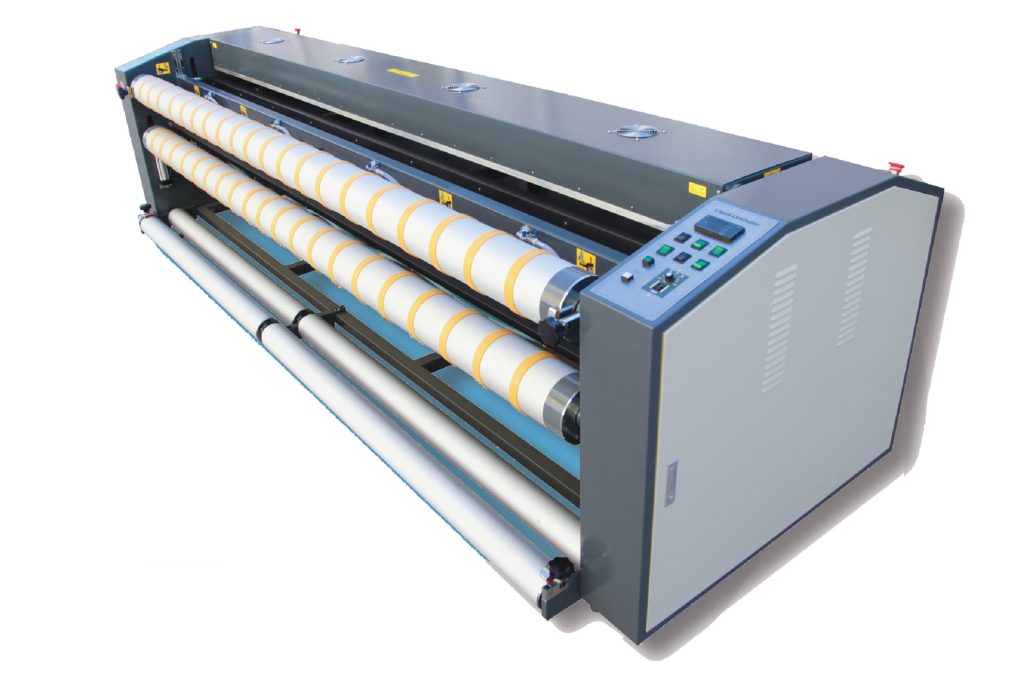
- Coating machine: the most consistent option for regular, higher-volume work, applying an even layer across the full width of the media.
Whatever the method, the print must be properly dry before coating, the work area should be well ventilated, and the coating should be handled according to its safety data sheet.
Why choose liquid over film?
Liquid lamination keeps the natural texture of canvas and fine art papers, avoids the silvering and edge lifting that can affect film, and can be practical for very large or irregular pieces. Film lamination still has its place, particularly where a thick, rigid protective layer is wanted. We compare the two in more detail in our guide to liquid and film lamination, and you can see the coatings themselves on our coatings page.
If you would like to talk through whether liquid lamination fits your work, call us on 01252 624 411 or send a note through our contact page.