
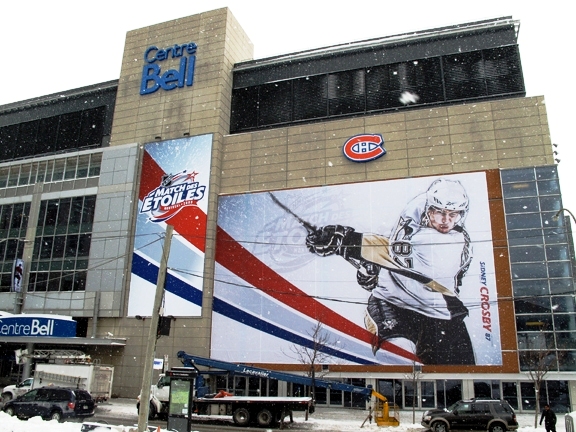
A print in a reception area and a print on the side of a building face very different lives. Indoors, the threats are mostly people: hands, cleaning, knocks and the occasional spill, plus light from windows and fittings. Outdoors, the weather takes over. Specifying the right protection starts with being clear about which environment a print is going into, and for how long.
Indoor prints
The main risks indoors are:
- Handling, fingerprints and scuffs, especially in shops, hotels and corridors.
- Cleaning with damp cloths and household or commercial products.
- Light through windows and from spotlights, causing gradual fading.
- Humidity and condensation in kitchens, bathrooms and leisure spaces.
For most indoor work, a clear liquid coating offers a good balance of protection and appearance. It keeps the texture of canvas, papers and wallcoverings while making the surface wipeable and adding UV protection. Colourjet protects against water, chemicals and abrasion and includes UV inhibitors. For graphics that will be handled heavily, such as floor graphics or tabletops, a film laminate may be the better choice.
Outdoor prints
Outdoors, the list of threats grows:
- Direct sunlight and strong UV, the main cause of fading outdoors.
- Rain, frost and condensation.
- Temperature swings that make media expand and contract.
- Wind-blown grit, traffic dirt and pollution.
- Graffiti and vandalism in some locations.
Here, protection becomes close to essential for anything beyond very short-term use. Landor Liquid Lamination is suitable for outdoor as well as indoor applications, helping prints cope with harsher environments. Outdoor work also needs inks and media designed for exterior use; a coating improves durability but cannot turn an indoor media into an outdoor one.
Side by side
- Ink: indoors, a wide range works; outdoors, choose inks intended for exterior durability, such as latex, UV or eco-solvent.
- Media: indoors, choose for appearance; outdoors, choose for weather resistance first.
- Protection: indoors, recommended for anything handled or cleaned; outdoors, strongly recommended for most jobs.
- Installation: outdoors, edges and fixings need extra attention, as water often gets in at the edges.
Setting expectations
Agree the intended display period with the client at the quoting stage, and be honest that outdoor conditions vary widely. A south-facing wall in full sun is harder on a print than a shaded, north-facing one. Avoid promising a specific lifespan; describe instead what has been done to protect the print and what will affect it.
As ever, test the coating on your chosen ink and media before production. Our compatibility page is a good starting point, and you can see indoor and outdoor examples on our applications page.
Quoting an outdoor job and want a second pair of eyes on the specification? Phone 01252 624 411 or contact us.