
If coating quality changes depending on who is on shift, the problem is rarely the person. It is usually that the method lives in one experienced operator’s head. Turning that knowledge into a written procedure, then training everyone against it, is the most reliable way to get consistent results and to cope when people are on holiday or move on.
Write the procedure down
Ask your most consistent operator to talk through exactly what they do, and write it down step by step. Include the small things they take for granted: how they check a print is ready, how they load the roller or set up the machine, the order of passes, and how they decide a print has passed inspection. Check the procedure against the coating’s technical data sheet and safety data sheet, and correct anything that conflicts.
Keep a separate, short reference card at the coating station. A one-page summary is more likely to be used than a manual in a drawer.
A training sequence
- Start with safety: the SDS, ventilation, ignition sources, PPE, spill handling and disposal of solvent-soaked waste, as set out in your risk assessment. Our coating safety guide is a useful starting point.
- Explain why each step matters, not just what it is. People follow a method more closely when they understand what goes wrong if they skip a step.
- Demonstrate the full process on a real print while the trainee watches.
- Let the trainee coat offcuts and test prints under supervision until the results are consistent.
- Review their pieces together once fully cured, under the same lighting used for final inspection.
- Move on to customer work with a supervisor checking the finished prints.
- Sign the trainee off for that method once they reliably meet the standard, and record it.
Teach people to recognise problems
Keep a set of reference pieces showing common faults alongside a good example: streaks, bubbles, dust inclusions, runs, uneven sheen and clouding. Trainees learn faster when they can see and touch the difference. Our coating defects guide explains the usual causes, which helps staff fix the method rather than just the print.
Train separately for each method
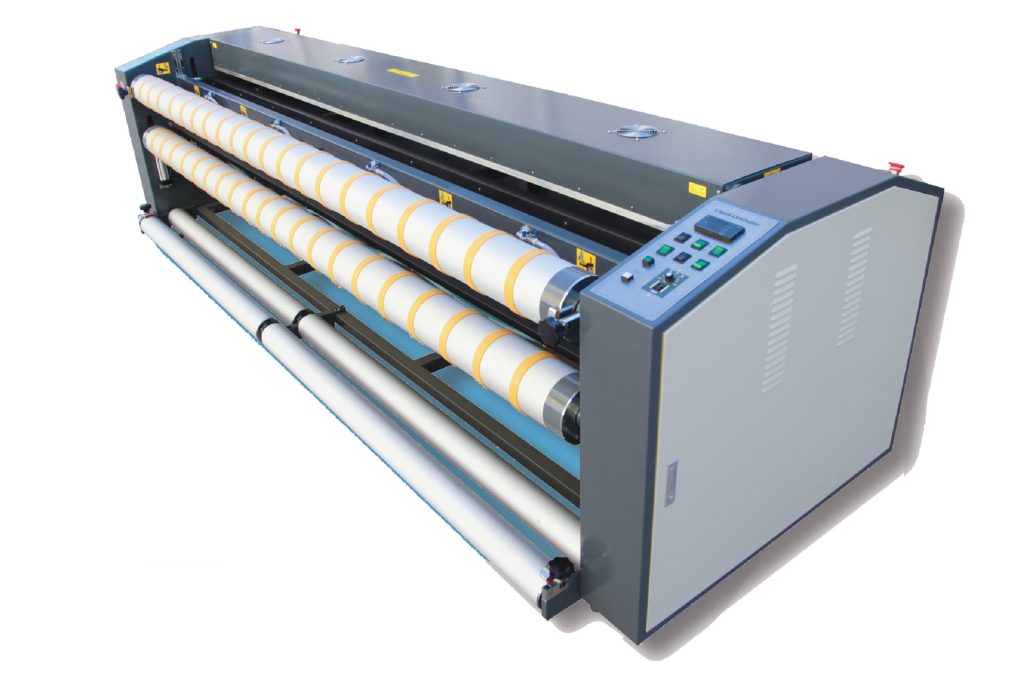
Rolling, spraying, aerosols and machine coating each need their own skills. Someone signed off for rolling should not be assumed competent on a coating machine. For machines, follow the manufacturer’s operating instructions and make sure everyone understands the safety features. Landor supplies coating machines and can discuss getting your team started on the equipment.
Keep standards from drifting
Habits change over time. Review the procedure periodically, refresh training when you change coating, media or equipment, and encourage staff to report anything that does not work as written. When a new media arrives, run a sample test and update the procedure before it goes into production.
Building a coating procedure for your team and want a hand? Contact Landor on 01252 624 411 or message us here.